Types of hair transplants
Hair transplantation has developed considerably in recent years, creating several techniques for different needs rather than one solution for every patient. With options such as FUE, DHI, and robotic ARTAS transplantation, it is important to understand how each method works, what it requires, and the results patients can reasonably expect.
This guide compares the main types of hair transplants, explains essential postoperative instructions, outlines when new hair usually appears, and shows how the medical team at Hair Pro Clinic selects an appropriate technique for each scalp. It also covers common mistakes that can affect recovery.
Comparing the Main Types of Hair Transplants: FUE, DHI, and ARTAS
Hair transplant methods differ in the way follicles are extracted, how they are implanted, and the level of control available during the procedure. These differences can influence recovery time, hairline detail, and the final appearance.
- FUE: Individual follicles are extracted from the donor area and then implanted into areas affected by hair loss. FUE is widely used because it leaves very small extraction marks and can produce natural-looking results.
- DHI: DHI builds on follicular-unit extraction by implanting follicles directly with a specialized pen, without creating all recipient channels in advance. It provides close control over the angle and direction of each graft and can be useful for frontal hairlines and other detailed areas.
- Robotic ARTAS: ARTAS uses a robotic system to assist the doctor during follicle extraction. The system is designed to support consistent selection and harvesting of suitable grafts while the procedure remains under medical supervision.
Understanding these differences helps patients discuss the most suitable option with their doctor based on donor-area quality, treatment goals, and realistic expectations.
Requirements and Expected Results for Each Technique
Every technique has its own clinical requirements, and outcomes vary according to the patient's hair characteristics and scalp condition. The same treatment plan should not be applied to every case.
| Technique | Main Requirements | Expected Results |
|---|---|---|
| FUE | A suitable donor area, individual follicle extraction, and a case appropriate for this method; commonly considered for moderate patterns of hair loss. | Very small extraction marks, natural-looking coverage, and relatively quick recovery. |
| DHI | Suitable for detailed areas such as the frontal hairline; requires precise implantation and may take longer. In selected cases, it can be performed without shaving the entire recipient area. | Close control over frontal density and the direction of transplanted hair. |
| Robotic ARTAS | A scalp and donor area suitable for robotic extraction, strong donor follicles, and complete medical supervision. | Consistent extraction and distribution planning with reduced variability during the harvesting stage. |
This comparison offers a simplified overview. The final decision should always follow a medical assessment of the patient's scalp, donor area, pattern of hair loss, and expectations.
Essential Aftercare Instructions Following a Hair Transplant
Following medical instructions is just as important as selecting the right technique. Postoperative care directly affects healing, graft protection, and the quality of the final result. Important instructions after a natural hair transplant commonly include:
- Avoid touching or scratching the scalp during the first few days.
- Sleep in a position that protects the transplanted area from pressure.
- Follow the washing method and timing prescribed by the doctor.
- Avoid direct sun exposure for the recommended period.
- Attend all scheduled follow-up appointments.
These precautions support recovery regardless of whether the procedure uses FUE, DHI, ARTAS, or a combination of methods.
When Does New Hair Appear After Each Technique?
The timing of visible growth is one of the most common questions after a transplant. Patients should not expect the final appearance immediately because transplanted follicles pass through a normal sequence of shedding, rest, and new growth.
Most techniques follow a broadly similar timeline:
- After the first month: The transplanted hairs may shed temporarily. This is a common stage and does not necessarily indicate that the follicles have failed.
- Months three to four: New hairs generally begin to emerge gradually and may initially appear fine and light.
- From the sixth month: Density usually becomes more noticeable and the appearance begins to develop more clearly.
- Months nine to twelve: Many patients see a more mature result, with continued improvement in thickness and density.
This timeline is only a general guide. Growth can vary according to individual healing, the chosen technique, donor-follicle quality, and adherence to postoperative instructions.
How Does the Doctor Choose the Right Technique for Your Scalp?
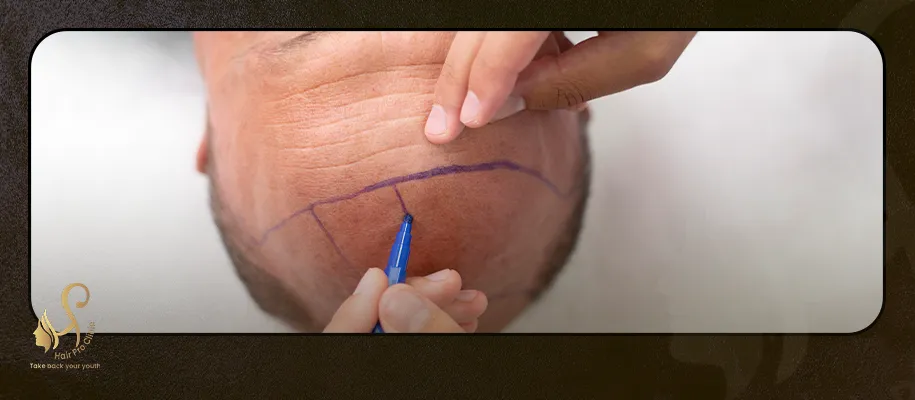
A transplant technique should never be selected at random. The doctor evaluates the scalp, donor area, pattern of loss, and hair characteristics before recommending an approach. Important factors include:
- Donor-area density and the number of follicles it can safely provide.
- The stage and surface area of hair loss.
- Hair thickness, texture, and curl pattern.
- The patient's age and realistic expectations.
- Any scalp disorder or medical condition that could affect treatment.
Based on these findings, a doctor may recommend FUE for a suitable moderate case, DHI for detailed frontal work, or ARTAS-assisted extraction where robotic support is appropriate. Technique selection is first and foremost a medical planning decision.
Do Hair Transplant Results Vary from One Person to Another?
Yes. Results can differ even when two patients receive the same technique and a similar number of grafts. Individual factors that influence growth and stability include:
- The body's healing response and the biological behavior of transplanted follicles.
- Compliance with postoperative instructions.
- Donor-area quality and follicle strength.
- Lifestyle factors such as smoking and stress.
- Hair and scalp care during the first months after transplantation.
For these reasons, the final density and speed of growth may differ between patients even when the procedure is technically successful.
Can More Than One Hair Transplant Technique Be Used in a Single Procedure?
In selected cases, a doctor may combine more than one method during the same procedure. This can be useful when one area requires greater precision while another requires broader coverage or density.
Examples include:
- Extracting follicles with FUE and implanting them with DHI in the frontal hairline.
- Using ARTAS to assist with extraction while implanting grafts manually in selected areas.
- Combining methods to balance coverage, density, and aesthetic detail.
A combined approach is not necessary for every patient. It should be used only when the medical team believes it provides a clear benefit for the specific treatment plan.
Common Mistakes to Avoid After a Hair Transplant
The success of a hair transplant depends not only on the technique and the doctor's skill, but also on the patient's behavior during recovery. Common mistakes include:
- Touching or scratching the scalp during the first few days.
- Washing the hair incorrectly or too early.
- Exposing the scalp to direct sunlight or excessive heat.
- Missing scheduled medical follow-up appointments.
- Judging the result before the growth cycle is complete.
Avoiding these mistakes helps protect transplanted follicles and supports recovery across all hair transplant techniques.
Understanding the different types of hair transplants makes it easier to participate in treatment decisions. Success depends on accurate medical assessment, appropriate technique selection, careful aftercare, and patience while the final result develops.
If you want to identify the most suitable option for your case, Hair Pro Clinic can assess your scalp and donor area and explain the advantages and limitations of each available method.
Book a consultation with Hair Pro Clinic to receive an individualized medical assessment and treatment plan.
FAQS
-
n
n
-
n
n
-
n
n